COVID-19 in Afghanistan: Knowledge, Attitudes, Practices, and Implications

July 2020

COVID-19 threatens Afghanistan’s many gains, from progress in access to education for children and trust in formal protection mechanisms to social norms around gender and trust in Government. With a healthcare system already stretched to the limits, ongoing conflict and natural disasters, widespread food insecurity and reductions in foreign aid, stakeholders in Afghanistan were already facing a complex and worsening situation. COVID-19 has the potential to disastrously exacerbate this. Samuel Hall is supporting the Afghanistan Protection Cluster (PC) and other stakeholders with this brief to fill in key knowledge gaps around how COVID-19 is understood and perceived and its current and likely implications.

Download Report

Read More
War Child - Coming Back to Afghanistan: Deported Minors' Needs at a Time of COVID-19

July 2020

Unaccompanied children on the move have become more common. This demographic shift calls for a transition to child-sensitive return programmes and policies – yet despite increased returns and deportations, support has decreased over the last decade in Afghanistan. COVID-19 has increased the risks of returns, and the response to the pandemic remains insufficient to meet the needs at the border - especially for children and women. This research was conducted by Samuel Hall for War Child UK and UNICEF to assess the impact of COVID-19 on minor deportees and returnees. It provides actionable learning to inform more effective and relevant design, implementation, and adjustment of future interventions targeting minor deportees.

Download Report

Read More
The Halo Trust - The Link: Connecting Mine Action and Livelihoods

June 2020

As mine action stakeholders work towards a mine-free Afghanistan in a country experiencing active conflict and pervasive economic difficulties, there are growing imperatives to link clearance of mines from the land, with the livelihoods and development of people and communities on that land afterwards.Samuel Hall conducted an evaluation of the programme for the HALO Trust as the programme concluded, reviewing literature and conducting primary data collection and analysis from November 2019 to March 2020. The research emphasised a community-based mixed methods approach to evaluate the programme from beneficiaries’ perspectives, and placed community members’ feedback at the centre of the evaluation.

Download Report

Read More
The Womanity Foundation - Girls CAN Code

June 2020

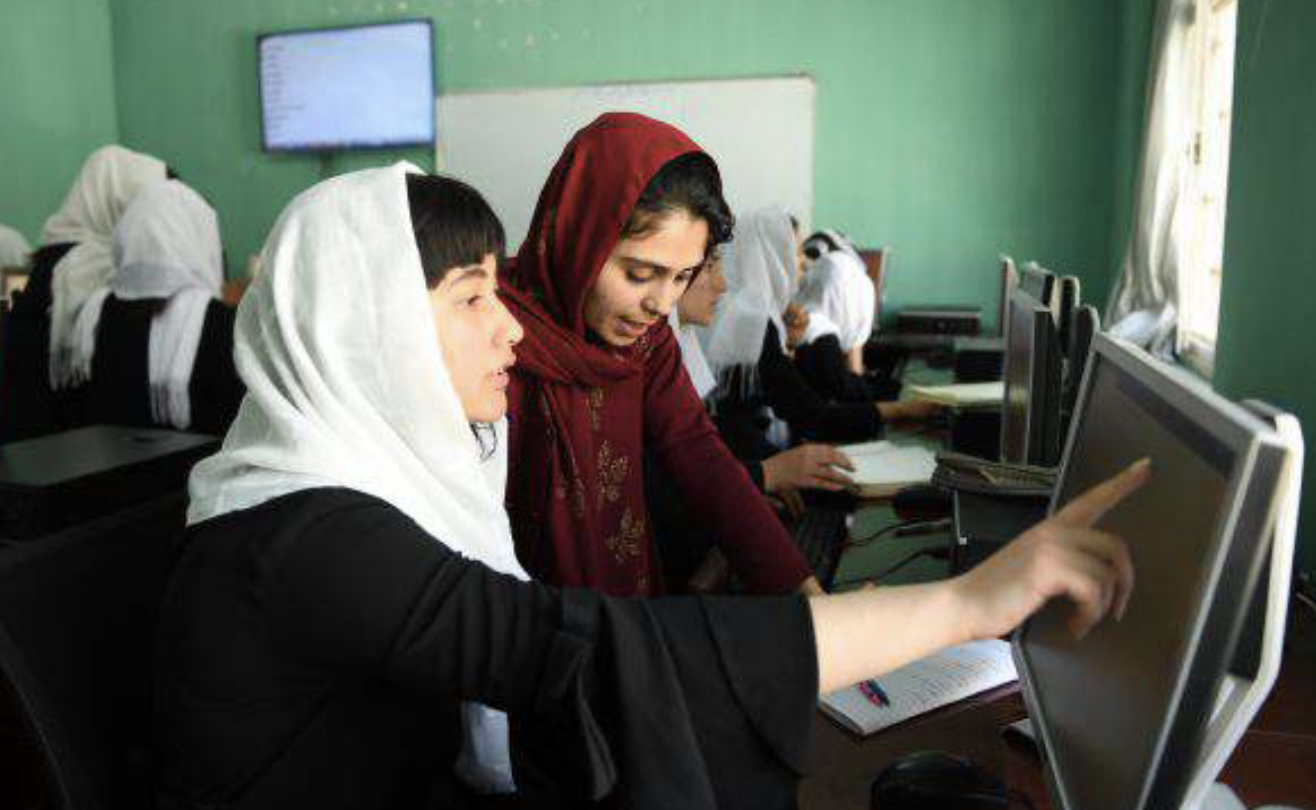
The Womanity Foundation are implementing GCC at a particularly critical juncture with Afghanistan charting an uncertain path in 2020 and beyond. This uncertainty extends to the role of women in Afghan society as well as the context for female education and employment. In a fast changing environment, how can Womanity maximise their impact and best work with Afghan girls to create tangible changes in their own lives? With these questions as a basis, Samuel Hall: evaluated the GCC programme from 2016–2019; conducted a context and market analysis on potential income and work pathways for Afghan girls with a focus on the tech sector and broader trends in STEM; mapped a forward strategy for Womanity to scale its impact.

Download Report

Read More
UNICEF - Social Norms, Economic Approaches: The potential for addressing GBV through economic interventions in the Rohingya refugee response

June 2020

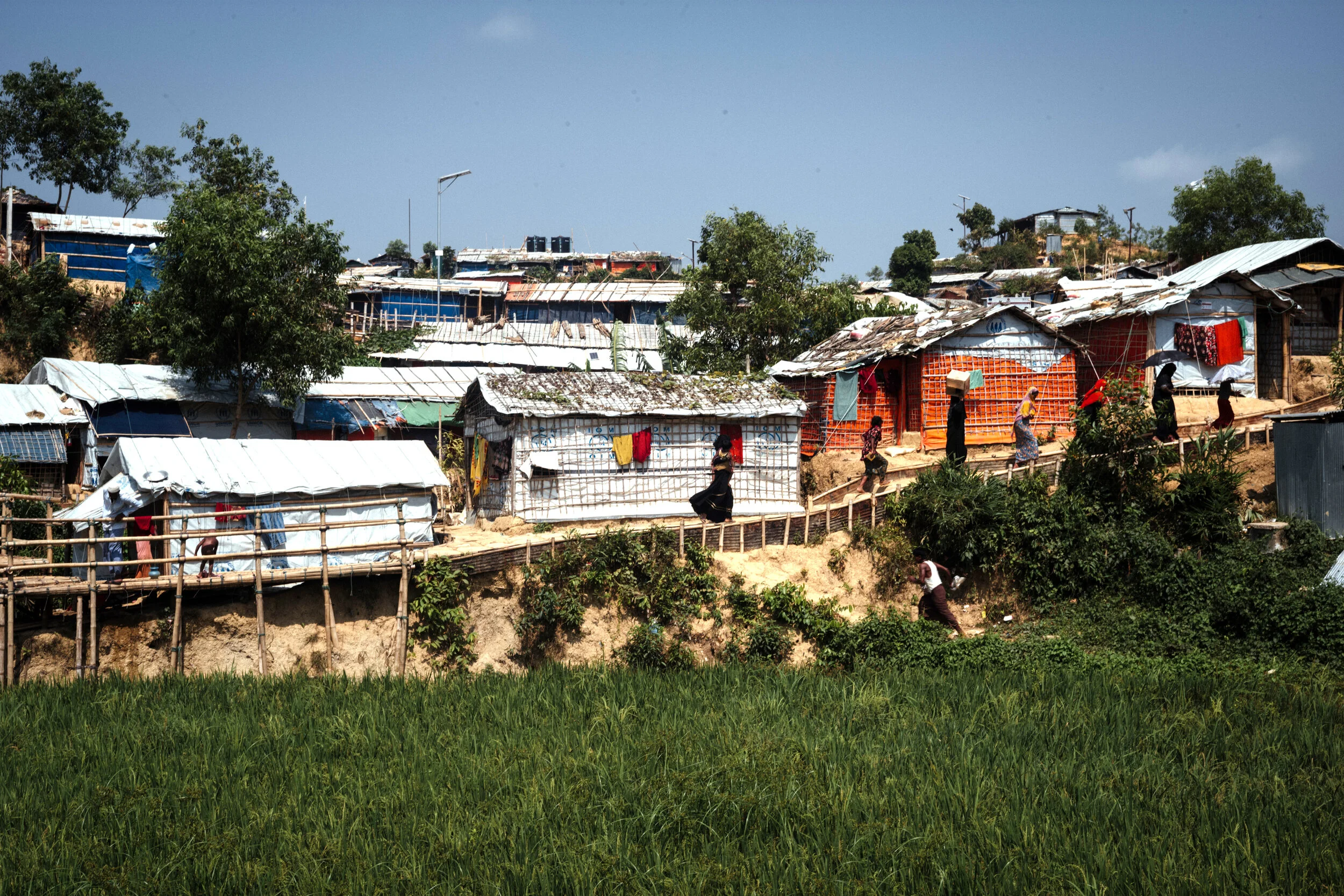
This report, commissioned by UNICEF, develops an evidence base on the potential for addressing gender-based violence in the Rohingya Refugee Response through economic interventions, seeking to understand the contextual risks, drivers, challenges, and possibilities. It highlights the possibilities for using economic interventions in this context, in particular how programming that utilises economic strategies in combination with other elements, and which aligns economic strategies with needs and drivers specific to the forms of GBV they seek to address based on strong contextual understandings, are likely to be the most successful in creating sustainable impacts for women and girls, and communities more broadly.

Download Report

Download Executive Summary

Download Annexes

Read More
World Bank - A Qualitative Assessment of Pathways to Youth Inclusion in Afghanistan

April 2020

The World Bank commissioned Samuel Hall in 2019 to conduct field research to explore Pathways to Youth Inclusion in Afghanistan. The objectives of this research were twofold: 1) To understand the issues, barriers and challenges faced by Afghan youth in terms of their inclusion in the social and economic processes that make up Afghan society and 2) To understand the perceptions of the Youth Subcommittees (YSCs) of local Community Development Councils (CDCs) established by Citizens’ Charter (an initiative of the Government of Afghanistan introduced in late 2016, to improve the delivery of core infrastructure, emergency services, and social services to participating communities), in terms of their impact, capacity, strengths and weaknesses, and attitudes toward them and their work.

Download Report

Download Executive Summary in Dari

Download Executive Summary in Pashto

Read More
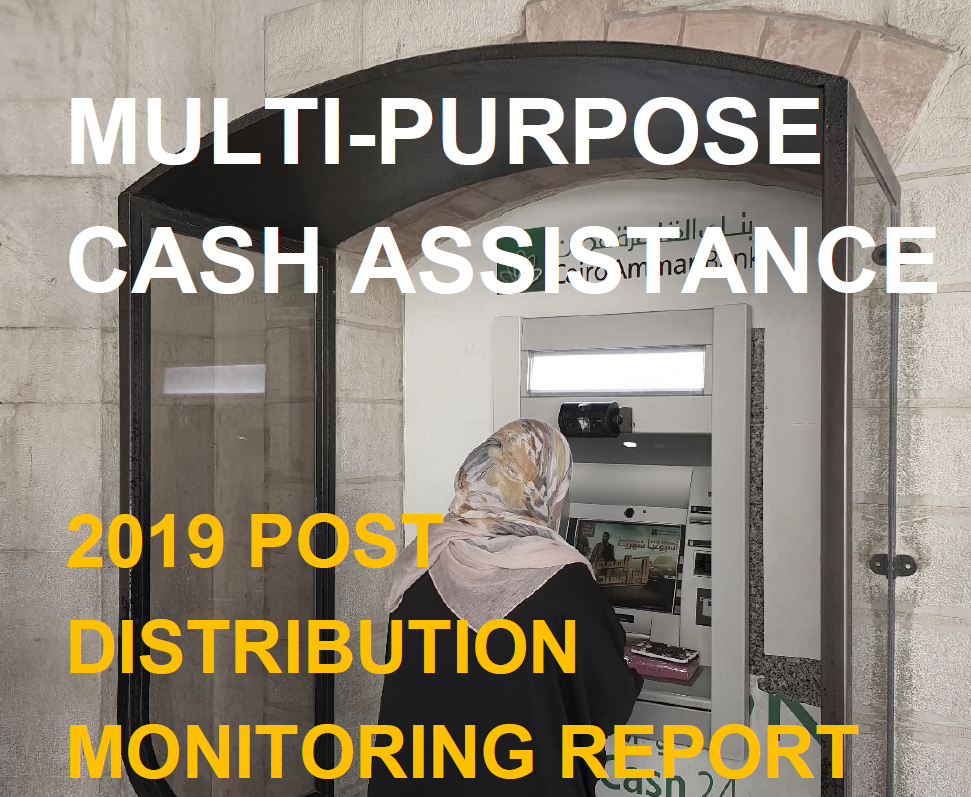
UNHCR - Multi-Purpose Cash Assistance: 2019 Post Distribution Monitoring Report

January 2020

This report presents the results of the 2019 annual Post-Distribution Monitoring (PDM) exercise of UNHCR’s cash assistance programme in Jordan. Through an ATM banking network equipped with iris scan technology, the agency disburses over 5.5 million USD per month to close to 32,500 vulnerable refugee families living across the country. The majority of the beneficiary population is Syrian. Assistance is designed to allow beneficiaries to meet their basic needs and reduce their susceptibility to exploitation and other protection risks. The results of this monitoring exercise suggest that, as intended, almost all respondents use the cash to meet their running essential household needs. These mostly revolve around rent, food, utilities and health – categories which appear unchanged over time.

Download Report

Read More
ADSP - A Long Way Home: Obstacles and Opportunities for IDP Return in Afghanistan

January 2020

Building on secondary research and an ethnographic-based primary data collection, this research turns to IDPs in key provinces and districts of return to ask: which factors positively contribute to the ability of IDP populations to return to their places of origin in a manner which is sustainable and dignified? Samuel Hall answers this question by taking a case study approach, zooming in on 1-3 specific theme(s) in each of the areas studied, and building a narrative of local specificities raised by IDPs themselves in group and individual consultations, including interactions with other community representatives as well in the process.

Download Report

Read More
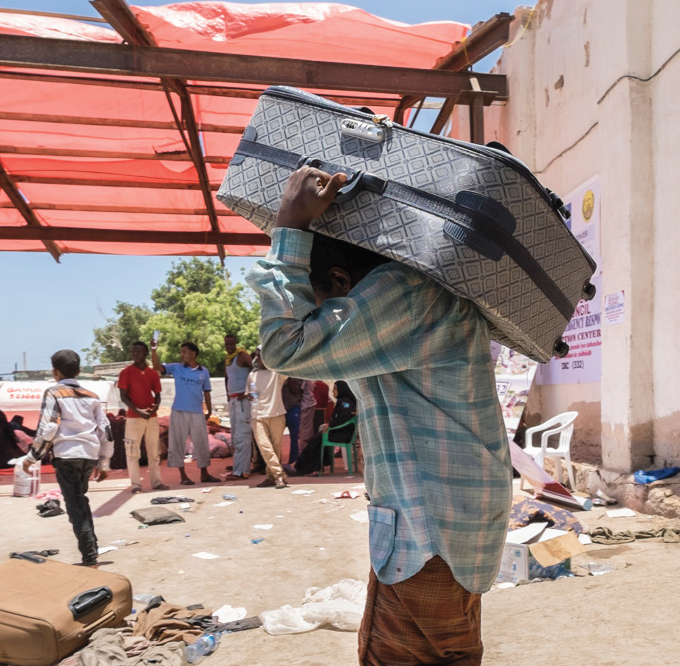
DRC/NRC/IRC - Unprepared for (re)integration: Lessons Learned from Afghanistan, Somalia, and Syria on Refugee Returns to Urban Areas

January 2020

This research was designed to support the thinking and planning around (re-)integration by identifying obstacles to preparedness of stakeholders for return and (re-)integration in refugee return settings. The study generates operational learning to enable NGOs, UN agencies, donors, government actors, and displacement-affected communities (DACs) to strengthen (re-) integration programming. It does so by reviewing achievements, challenges, opportunities, and critical success factors required for enhancing preparedness in return settings.

Download Executive Summary

Download Report

Read More
World Bank – Afghanistan Household & Enterprise Energy Diaries

January 2020

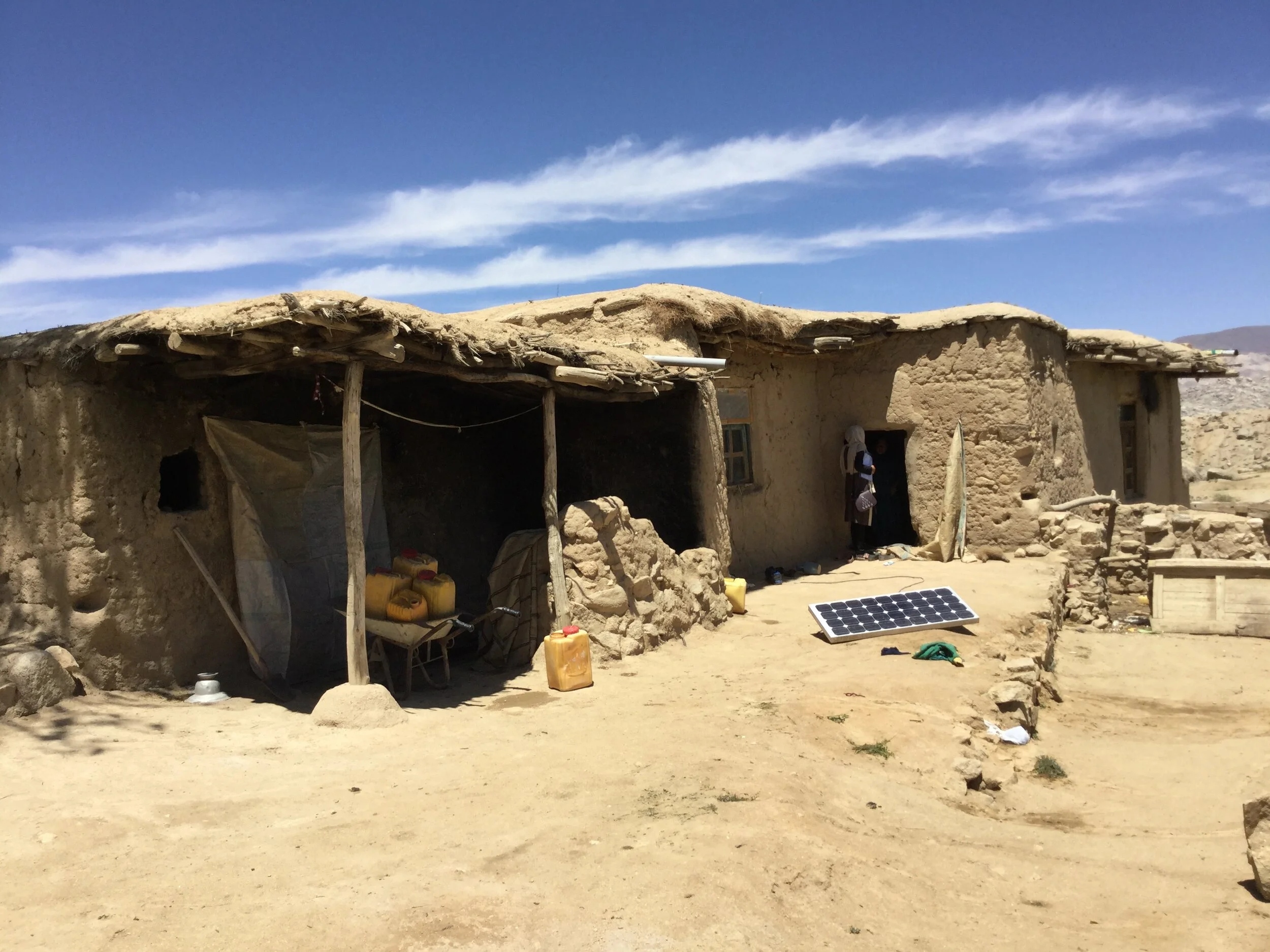
The Household and Enterprise Diaries research project formed part of the World Bank’s 3-year Afghanistan Energy Study. The aim of the project was to collect data on energy patterns at the household and business/community institution level in different Afghan contexts. This included information on electricity solutions, fuel sources, heating, cooking and lighting as well as willingness to pay. Samuel Hall conducted 3000 household surveys, 250 business and community institution surveys and 30 Focus Group Discussions across 30 communities in 6 Provinces (Kabul, Samangan, Herat, Paktia and Daikundi). The research team conducted a longitudinal research phase, which involved monthly call-backs with the research participants over one year (up to 39,000 phone surveys), along with seasonal case-studies to capture changing energy consumption patterns across different seasons.

Download Report

Download Annexes

Read More
War Child - Coming Back to Afghanistan: Study on Deported Minors’ Return and Reintegration Needs in the Western Region

December 2019

Samuel Hall was commissioned by War Child to conduct a study that provides a comprehensive understanding of the existing Knowledge, Attitude and Practices (KAP) regarding the unsafe migration of unaccompanied children to Iran. Primary data collection was conducted in Herat and Badghis provinces. The study also targeted parents and communities of children at risk of unsafe migration or experienced unsafe migration. This study contributes to charting a path forward for a post-deportation protection framework adapted to the protection profiles and needs of unaccompanied minors, their families and communities of return.

Download Report

Read More
IOM - Community Mapping and Socio-Economic Profiling of Communities of Return in West Africa

August 2019

Samuel Hall was commissioned by IOM under the EUTF-funded joint initiative to conduct a regional assessment of communities of return in 11 West African countries (Burkina Faso, Cameroon, Côte d'Ivoire, The Gambia, Ghana, Guinea, Guinea Bissau, Mali, Mauritania, Nigeria, and Senegal). The Joint Initiative seeks to strengthen the reintegration of returning migrants. Along with a socio-economic assessment of each community, Samuel Hall mapped key stakeholders, their capacities and existing services to support IOM regional offices in developing effective reintegration activities.

Download Burkina Faso Report (French)

Download Cameroon Report (French)

Download Côte D'Ivoire Report (French)

Download The Gambia Report

Download Ghana Report

Download Guinea Report (French)

Download Guinea Bissau Report

Download Mali Report (French)

Download Mauritania Report (French)

Download Nigeria Report

Download Senegal Report (French)

Read More
WFP/MoLSA - Developing a Social Protection Policy for Somalia

August 2019

The Ministry of Labour and Social Affairs of Somalia, with technical support from WFP, UNICEF, and Samuel Hall, designed a National Social Protection Policy with the objective of protecting ‘all groups, particularly the poor and vulnerable, against shocks, helps them to manage risks, and provide them with opportunities to overcome poverty, vulnerability, and exclusion.’

Download Policy

Read More
UNICEF - Participatory Research with Adolescents to Unpack How Decisions are Made Whether to Stay in School in Zambia

August 2019

Commissioned by UNICEF Zambia, Samuel Hall conducted a highly qualitative study on ‘how decisions are made on whether or not adolescents (age 10-19) complete their schooling in Zambia’. With fieldwork in eight districts across the country – namely, Lusaka, Rufunsa, Katete, Petauke, Luwingu, Lunga, Mufulira, and Senanga – the study provides an understanding of the decision-making process around school retention/drop-out.

Download Report

Download Katete District Report

Download Petauke District Report

Download Rufunsa District Report

Download Senanga District Report

Download Luwingu District Report

Download Lunga District Report

Download Mufulira District Report

Download Lusaka District Report

Read More
ReDSS - Somalia Solutions Analysis Update

May 2019

Led by the Regional Durable Solutions Secretariat (ReDSS) in partnership with the EU RE-INTEG, Durable Solutions Programme and Danwadaag Solutions Consortia, with financial support from ECHO, Danida and DFID, research was conducted by Samuel Hall and the Somali Disaster Resilience Institute (SDRI). The report presents a progress review and update on durable solutions programming in displacement-affected communities in three urban centres in Somalia: Mogadishu, Baidoa and Kismayo.

Download Report

Read More
ILO/UNHCR - Doing Business in Dadaab

January 2019

Contrary to many popular perceptions, Dadaab is an area of opportunity with existing strengths that can be harnessed. This market systems analysis identifies these strengths as well as areas to build further, and provides the foundation for building opportunities to strengthen job creation and linkages between host and refugee communities as well as with private sector employers in Garissa county as well as with the capital.

Download Report

Read More
EUTF/Samuel Hall - Mid-Term Review of the EUTF Regional Development and Protection Programme in Kenya: Support to the Development of Kalobeyei

November 2018

In 2018, Samuel Hall in collaboration with the EU reviewed the Kalobeyei Integrated Socio-Economic Development Plan (KISEDP) project to assess whether objectives had been achieved, and where obstacles and opportunities exist to inform future iterations of the project.

Download Publication

Read More
UNESCO - Inclusion of Afghan Refugees in the National Education Systems of Iran and Pakistan

November 2018

This paper was commissioned by the Global Education Monitoring Report as background information to assist in drafting the 2019 GEM Report, Migration, displacement and education: Building bridges, not walls, accessible here.

Download Publication

Read More
Save the Children - From Europe to Afghanistan: Experiences of child returnees

October 2018

This report assesses the impact on children of being returned from Europe to Afghanistan. Through interviews with individual children, their parents or guardians, and with governmental and non-governmental actors, it builds a picture of children’s material, physical, legal and psychosocial safety during the returns process.

Download Report

Read More