JICA - A Study of the Kuchi Population in the Kabul New City Area

May 2012

This report looks at the effect of New Kabul City - a development that when completed will occupy a space 1.5 times the size of the current capital and include agricultural, commercial, industrial and residential developments - on migratory and sedentary Kuchi populations that have traditionally used the intended area to graze their animals in the warmer months.

Download Report

Read More
The Heinrich Böll Stiftung (HBS) - The Challenge of Becoming Invisible

February 2012

This report presents the findings of a Women’s Safety Audit conducted in 10 public locations in Kabul city. It is designed to give a voice to women’s safety and security concerns and sets forth a number of recommendations to address the challenge of improving women’s security in public spaces in Kabul.

Download Publication

Read More
Solidarités International - Sustaining the Working Poor in the Kabul Informal Settlements

December 2012

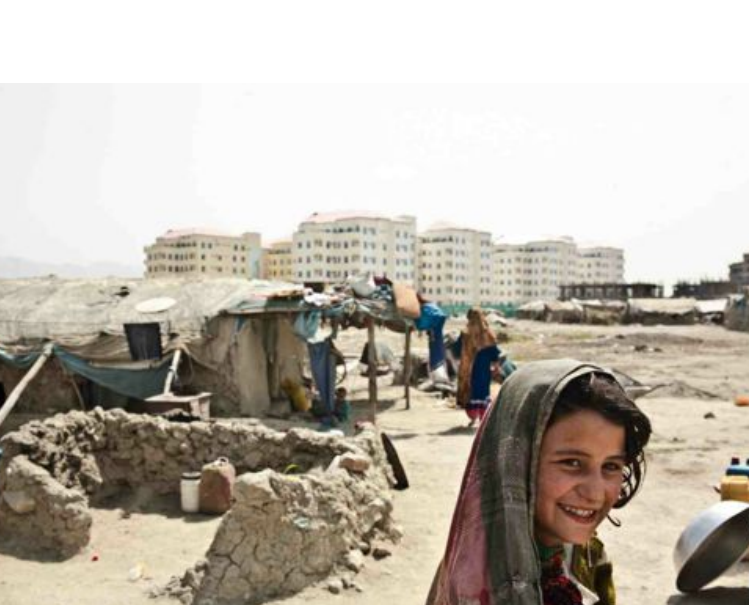
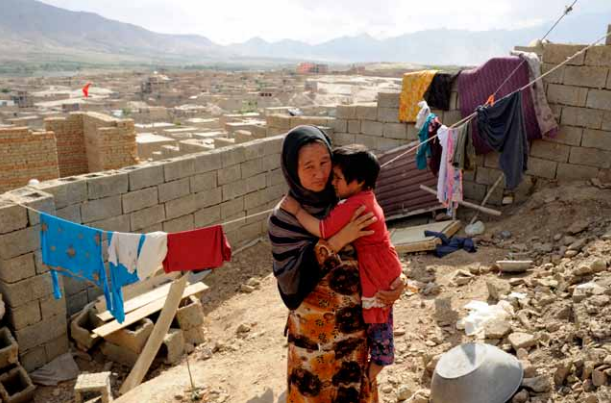
This third study by Samuel Hall on the living conditions of Afghan IDPs contributes to the knowledge needed to mainstream protection in policy responses.

Download Report

Read More
WFP - Partnership Study

December 2012

To redefine its country strategy for Afghanistan, WFP commissioned Samuel Hall to recommend a new Partnership Strategy. This study provided a representative landscape of the existing and potential partnerships between WFP, humanitarian and development actors in Afghanistan.

Download Report

Read More
NRC: Challenges of IDP Protection: Research study on the protection of internally displaced persons in Afghanistan

November 2012

This report – based on research from Samuel Hall Consulting and commissioned by the Norwegian Refugee Council – provides the first systematic overview of protection of internally displaced persons (IDPs) in Afghanistan. It combines the voices of IDPs with analysis of the decision-making processes shaping responses to internal displacement. The authors show that internal displacement is not a merely humanitarian ‘problem’ but should be just as much the concern of those in the development community. Recommendations are offered to help the Government of Afghanistan develop a national IDP policy.

Download report here

Read More
UNIDO – Priorities for the Implementation of Standards in Afghanistan

September 2012

Among the obstacles faced by private actors in the development of their business come regularly three major challenges: security, corruption and lack of electricity. Beyond these obvious issues, private actors also long for a sound business environment based on clear and respected regulatory frameworks and guidelines. Among them, the development of national standards is crucial.

Download Unavailable

Read More
MACCA - Reintegration of Former Combatants into Demining

September 2012

HALO Trust has reintegrated more than 300 former Taliban and Hezbi Islami combatants in Baghlan and Kunduz provinces into its demining ranks and trained them as community-based deminers. This case study examined the work that HALO Trust had done to support the APRP’s reintegration of former combatants.

Download Report

Read More
GERES - Panel Solar House (PSH) Evaluation

September 2012

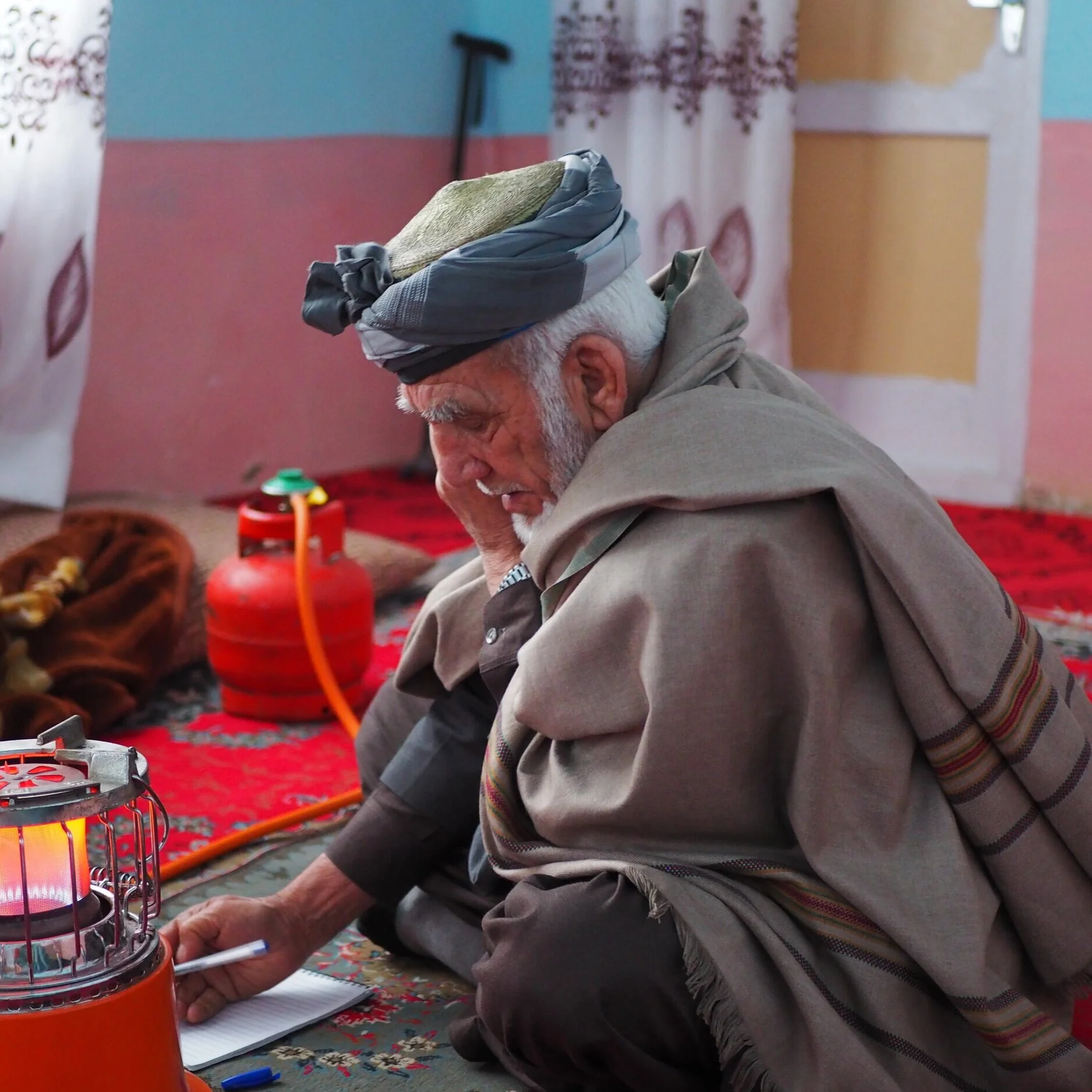
This evaluation analysed the impact and sustainability of the PSH project in the context of natural resources management in Bamyan and Afghanistan, taking into consideration the positive effects that a reduction in fuel use can have on fragile and depleted rangelands.

Download Report

Read More
ILO - Time to Move to Sustainable Jobs: A Study on the State of Employment in Afghanistan

May 2012

This study called for a longer term approach to socio-economic development in Afghanistan, in which employment and decent work take a central role. While this is indeed a major challenge given the economic and political uncertainties facing the country, a balance needs to be found between the urgency of stabilization and creating more sustainable jobs that lift people and their families out of poverty.

Download Report

Read More
MACCA - Mine Risk Education and Perception of Deminers

June 2012

The Mine Action Co-ordination Centre of Afghanistan (MACCA) commissioned Samuel Hall to assess the current approach to Mine Risk Education, and community perceptions of deminers. The findings are based on fieldwork conducted in 2012 in Kabul, Parwan and Paktia through a survey of 500 individuals and focus groups with community members, deminers and land mine survivors.

Download Report

Read More
WFP - Food for Training Implementation Study

May 2012

In 2013, WFP adapted to both internal and external evolutions. Externally, WFP adjusted to the political transition looking forward to 2014 and to the expected focus from donors on sustainable development. Internally, their next Country Portfolio Evaluation framed the organisation’s strategy for the coming years.

Download Publication

Read More
Womanity Foundation - School-in-a-box Baseline Survey

February 2012

The “School in a Box” supports quality education for girls up to the end of secondary school, and includes training for teachers in innovative teaching methods; the use of scientific labs; English language, computer and physical education methods. This report provided a baseline survey of the schools enrolled on the programme in 2011.

Download Publication

Read More
The Heinrich Böll Stiftung (HBS) - Gender Dynamics of Kabul Women and Police

December 2011

The report sought to: i) establish a gender-focused baseline for the evaluation of community trust-building and police capacity building programmes; ii) identify major trends and evolutions in public perceptions of the ANP in Kabul, notably amongst women, and; iii) propose pragmatic recommendations for improving the relationship between Afghan women and the police.

Download Report

Read More
UNICEF - Assessment of Out of School Children and JOGI Communities

November 2011

The Jogi, the Chori Frosh and other segments of the Jat population are the most marginalised communities in Afghanistan. These communities suffer from a status as complete ‘outsiders’ in Afghan society and have remained almost entirely invisible to Afghan authorities, international donors and academics alike.

Download Publication

Read More
ILO - Buried in Bricks, A Study on Bonded Labour in Brick Kilns

November 2011

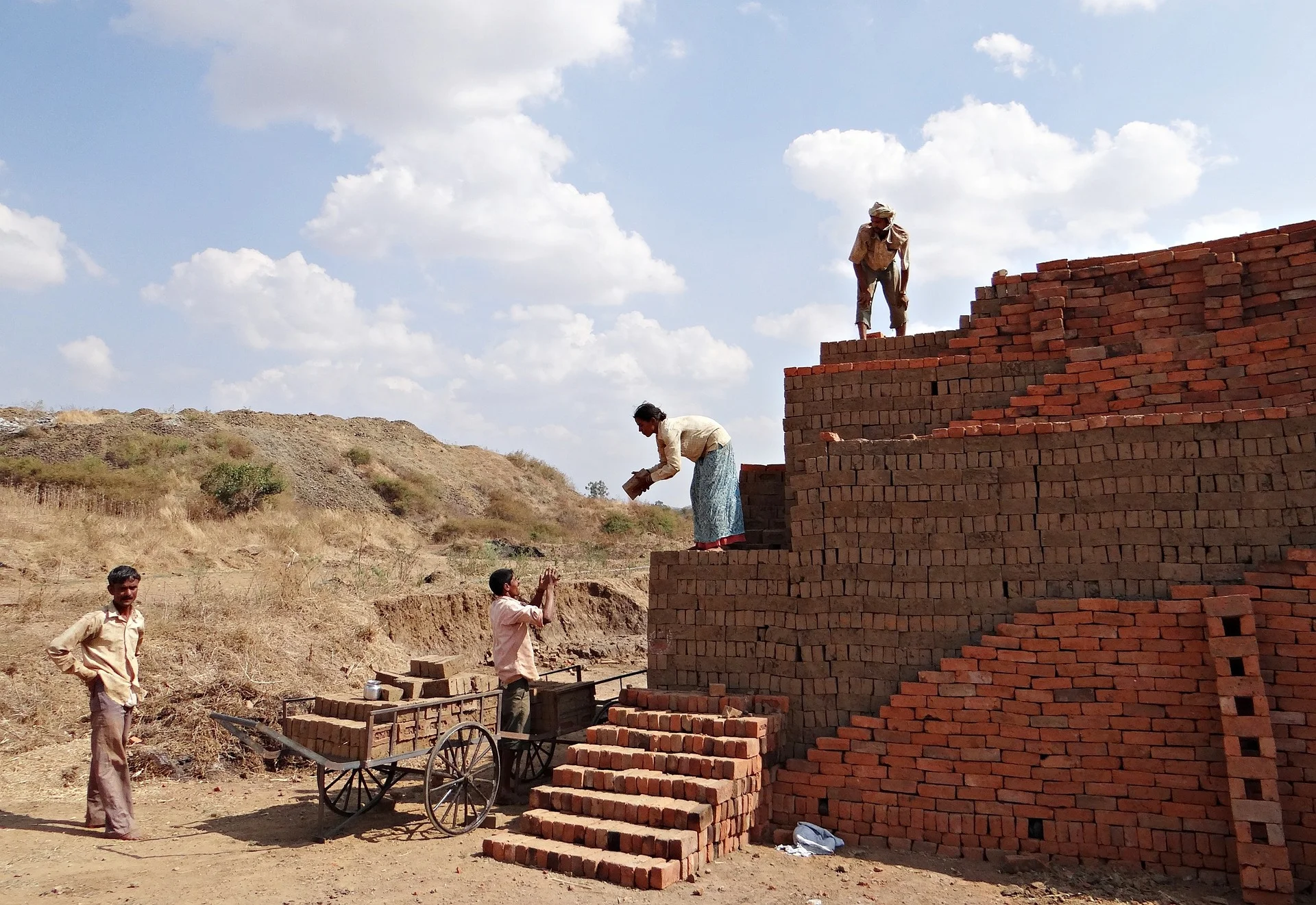
This study was a rapid assessment of one of the most prevalent, yet least known, forms of hazardous labour in Afghanistan – for both children and adults – and one of the worst forms of labour for children in particular. Narrowing in on one sector, this report strived to provide an accurate depiction of bonded labour practices in brick kilns in two provinces of Afghanistan.

Download Publication

Read More
Mercy Corps - Economic Assessment and Labour Market Survey

November 2011

This economic assessment report is based on desk research, labour market assessments and analyses and key stakeholder interviews in the four targeted provinces – Balkh, Baghlan, Kunduz and Kandahar – to identify growth sectors and jobs and technical vocational skills in greatest demand in each province in order to inform a skills training programme design process.

Download Report

Read More
ODI - Secure Livelihoods Research Consortium

October 2011

Over the last decade, the international community has allocated billions of dollars in funding for programming in livelihoods, service provision and social protection; however there has been little accompanying investment in research as a sector or as an internal capacity. Livelihoods remain under researched in Afghanistan.

Download Publication

Read More
WFP - Redefining Humanitarian Assistance in Afghanistan

July 2011

This policy paper reviewed the changing humanitarian context for United Nations agencies in Afghanistan and provided the World Food Programme (WFP) with strategic recommendations on how to position itself in this context, fulfil a complex mandate and re-orient its programmes for increased technical and financial effectiveness.

Download Publication

Read More
GIZ - Commercial Law Needs Assessment

May 2011

Afghan businesses’ lack of legal knowledge and access to legal advice frustrates economic growth in the region. Improved access would bring increased certainty to the marketplace, decrease business risk, and stimulate more informed business decision-making and domestic investment in the north of Afghanistan.

Download Publication

Read More
World Bank & UNHCR – Research Study on IDPs in urban settings - Afghanistan

May 2011

Part of broader World Bank research on poverty in Afghanistan, the study focuses on IDPs (Internally Displaced Persons) living in informal settlements in urban centres as a vulnerable segment of the population. The study discusses characteristics, livelihood strategies and vulnerabilities of households living in informal settlements in three urban centres in Afghanistan: Kabul, Kandahar and Herat. It finds that a comprehensive and integrated approach to displacement in urban areas is needed, and argues that sustainable solutions for IDPs in informal settlements must be developed, not simply humanitarian interventions.

Download Report

Read More