CAA Kenya: When childcare stops, everything stops
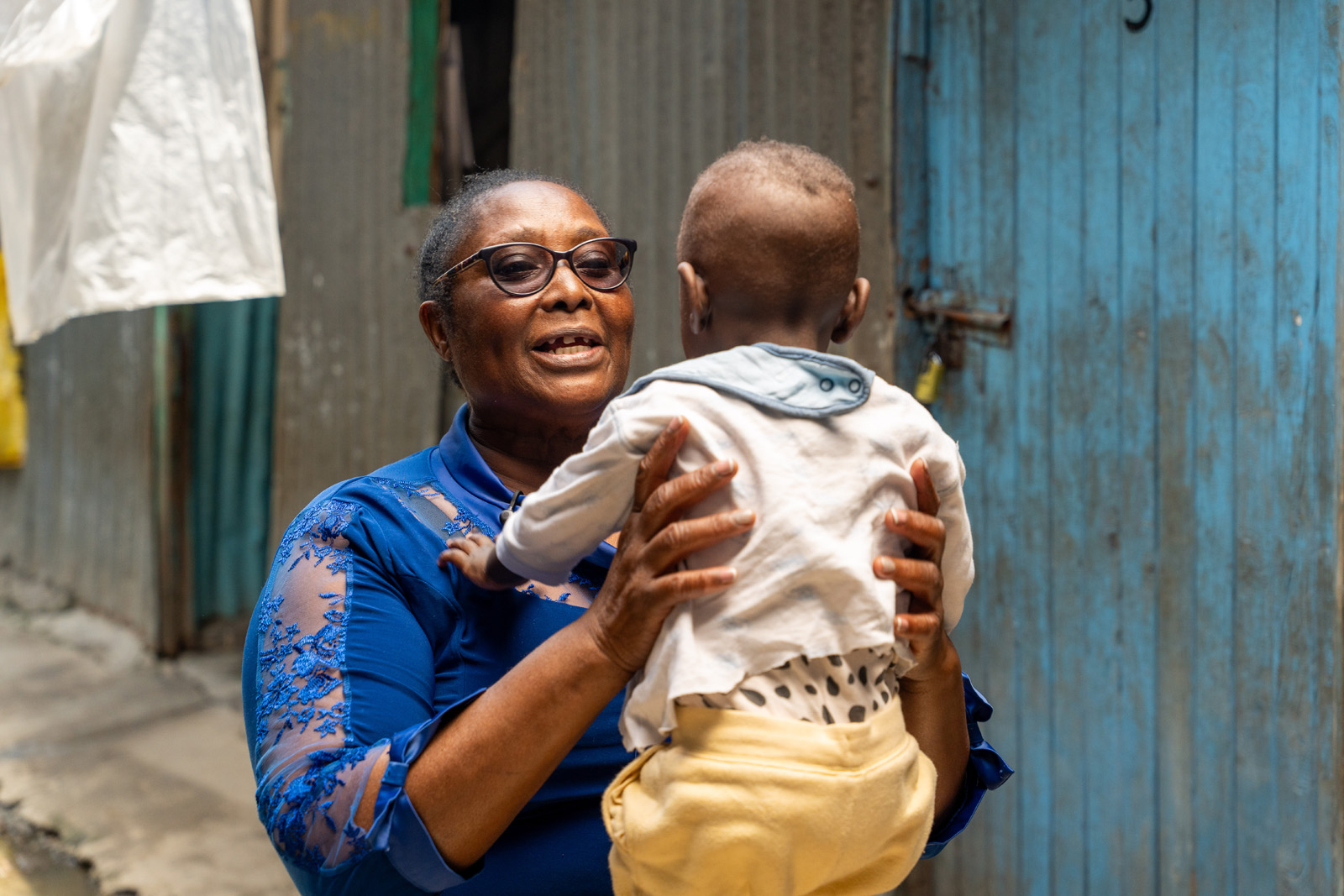
In Kenya, most childcare centres operate informally, often from rented rooms, homes, or temporary structures and sit outside both social protection systems and climate planning processes. This matters because climate risks such as heat, flooding, and water scarcity directly affect whether childcare centres can stay open, whether children are safe, and whether caregivers — most of them women — can earn a living.
Samuel Hall and Uthabiti, supported by Climate Action Africa, undertook a programme of research, capacity strengthening, documentation, and dialogue to understand how climate risks are experienced in childcare settings, what caregivers and community organisations are already doing to cope, and how county climate systems could respond more effectively.
Working with childcare providers, community organisations, and county stakeholders in Mukuru (Nairobi), Ahero (Kisumu), and Mumias (Kakamega) — and in close collaboration with Uthabiti — this work brought together evidence, lived experience, and policy processes.
Read the Advocacy Report here