LMI: Pulling Together: Civil Society Organizations and Refugee Advocacy in Kenya
January 2025
Refugees in Kenya struggle to access basic services, freedoms and protections. Civil society organizations seeking to support refugees need to be persistent and willing to collaborate with a range of stakeholders—often through unconventional approaches. This case study explores how two Nairobi-based organisations, Kituo Cha Sheria and RefugePoint, played a pivotal role in safeguarding the rights of refugees and asylum seekers. Through their leadership in advocacy and innovative approaches, the two organisations’ prevented refugee evictions and secured refugees' access to essential health services. With resilience, creativity, and strategic thinking, they successfully navigated a complex political landscape fraught with public attitudes at odds with refugee rights.
The case study also offers insights into the broader role of civil society in strengthening refugee protections in Kenya. Recent developments, such as the Refugee Act of 2021 and the Shirika plan, provide an opportunity to enhance the legal framework for refugee protection in Kenya. Civil society leadership and activism play an important part in strengthening legal protection and ensuring access to essential services for refugees.
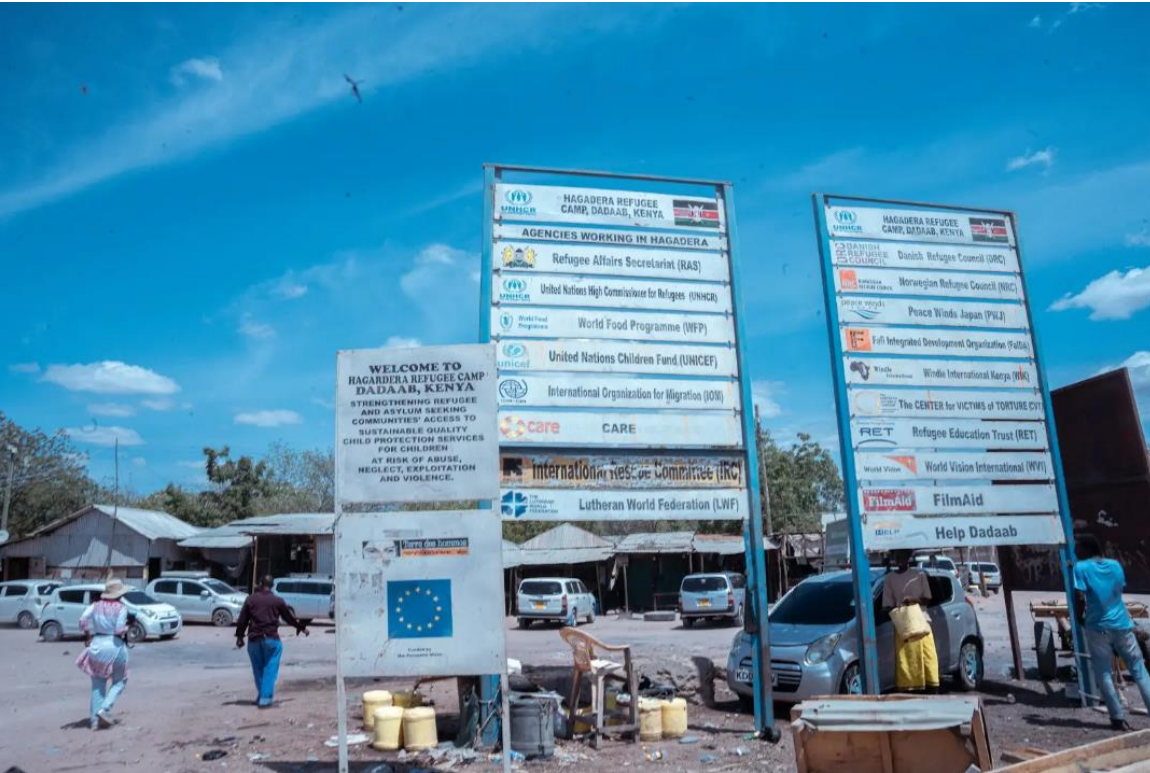
RefugePoint used its network of neighbourhood clinics and local government officials to increase refugee enrollment and address gaps in healthcare. By approaching Kenyan health authorities and arguing for closer cooperation they successfully advocated for the inclusion of refugees into the system. NGOs also stepped in when Kenyan authorities attempted to close the Dadaab camps and expel Somali refugees. A coalition of NGOs led by Kituo Cha Sheria (KITUO) and RefugePoint successfully petitioned the government to halt the measure. Strategic partnerships, such as relationships with UN agencies and other NGOs, knowledge of official channels, and persistence against bureaucratic and political obstacles, underpinned by a desire for results rather than recognition, were essential to their success.
Read full Case Study here.