IOM – Afghanistan Migration Profile
July 2014
The first Migration Profile for Afghanistan is a tool for enhancing policy coherence, evidence-based policymaking and the mainstreaming of migration into development planning. Due to security challenges and limited institutional capacities in data collection, a lack of reliable migration data poses challenges to policymakers in Afghanistan to develop appropriate migration policies and relevant migration programmes.
It provides detailed information on the migration patterns in Afghanistan with a focus on circular migration and remittances.
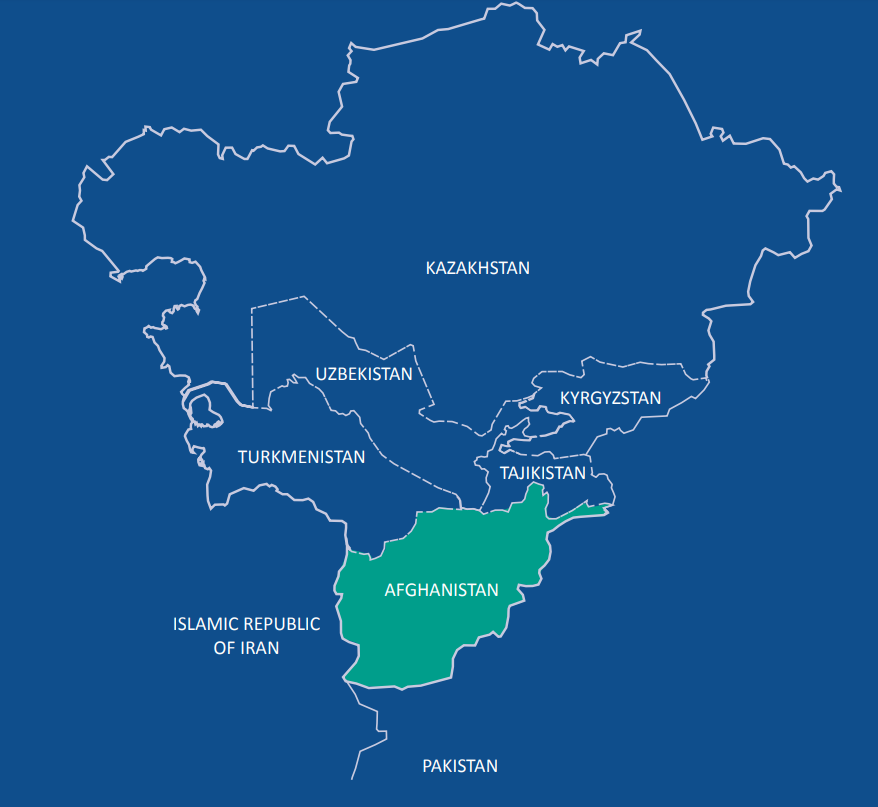
Today refugee movements no longer characterize the primary source of Afghan migration. Migration in search of livelihoods is currently the primary reason for migration and this occurs through rural–urban migration in Afghanistan or circular migration patterns as Afghans cross into Pakistan and/or the Islamic Republic of Iran.
The Migration Profile is structured in five main parts: Part A: Afghanistan – A Country in Context, Part B: Migration Trends and Migration Characteristics, Part C: Impacts of Migration, Part D: Migration Governance, Part E: Key Findings, Policy Implications and Recommendations.