
An Evaluation of NRC’s HLP Programming in Baidoa, Kismayo, Garowe, and Mogadishu Cities, Somalia
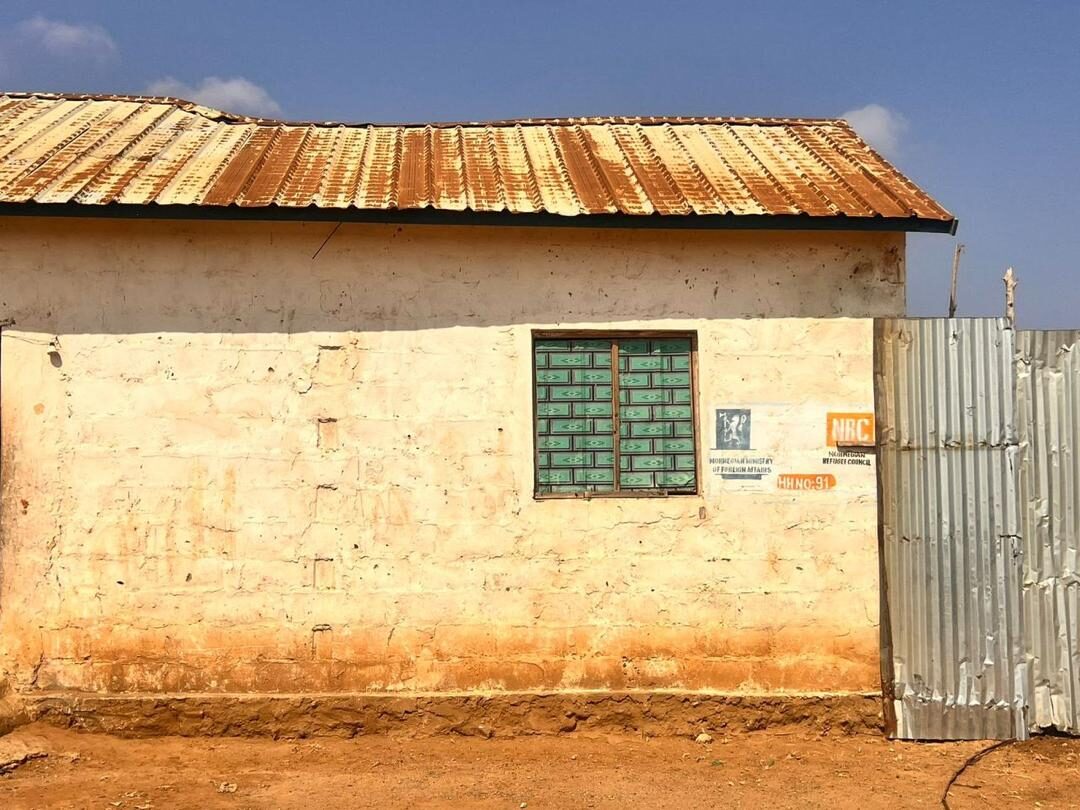
This evaluation, conducted by Samuel Hall between November 2025 and April 2026, assesses how NRC’s Housing, Land and Property (HLP) programming has contributed to durable solutions for displacement-affected populations in urban Somalia.
- The evaluation focuses on NRC’s HLP programming in Baidoa, Garowe, Kismayo and Mogadishu, where different models have been implemented in response to distinct tenure, eviction and urban governance contexts. This evaluation examines the contribution of HLP models to tenure security, eviction prevention, access to services and social inclusion; assesses sustainability and inclusiveness; and compares performance, trade-offs and contextual conditions across models.
- Using a qualitative comparative design, the analysis is structured around relevance, effectiveness, efficiency, impact and sustainability, with tenure security and eviction risk reduction treated as primary outcomes, and access to services and social cohesion as enabling outcomes.
- Key findings and conclusions across the portfolio indicated NRC’s HLP programming makes a substantial but uneven contribution to durable solutions. It has improved tenure predictability, reduced eviction risk and created better conditions for households to remain, invest and access services. The strongest results are found where tenure is recognised, enforceable, institutionally anchored and linked to settlement development and services. More brokered or rental-based models deliver important protection and stabilisation but are more fragile because they depend on lease renewal, affordability, landlord cooperation and continued mediation.
- Read the policy brief here